Protecting Patient Data: Navigating GDPR and NHS Standards with AIProtecting patient data is no longer just a legal checkbox—it’s a daily challenge for healthcare professionals. Balancing GDPR compliance with NHS standards feels complex, especially when patient privacy is on the line. This post shows how AI in healthcare can simplify data protection while keeping your practice secure and compliant. Explore how Clinic Companion’s AI solutions support your work and safeguard sensitive information. For more insights on protecting patient data, visit this link. 🌟
Understanding GDPR Compliance and NHS Standards
Key GDPR Requirements for HealthcareGDPR sets the foundation for data protection. At its core, it ensures that personal information is handled with care and integrity. In healthcare, this means safeguarding patient data from misuse. The first step is knowing what GDPR entails. It includes obtaining explicit consent before collecting data, ensuring that data is only used for its intended purpose, and allowing patients to access their information whenever they wish. For instance, GDPR requires that any data breach be reported within 72 hours. This tight deadline underscores the importance of having robust systems in place. You can find more details about GDPR's implications for healthcare in this article.
NHS Standards: What You Need to KnowNHS standards complement GDPR by setting additional requirements specific to the UK healthcare system. These guidelines focus on maintaining high data accuracy and integrity. One key aspect is the use of SNOMED CT for clinical documentation, which ensures consistent terminology across the board. Another priority is keeping patient information secure, which requires using approved systems and processes. NHS compliance also involves regular audits, ensuring everything from data handling to storage is up to par. For further insights into NHS standards, consult NHS guidance on AI.
Role of AI in Healthcare Data Protection
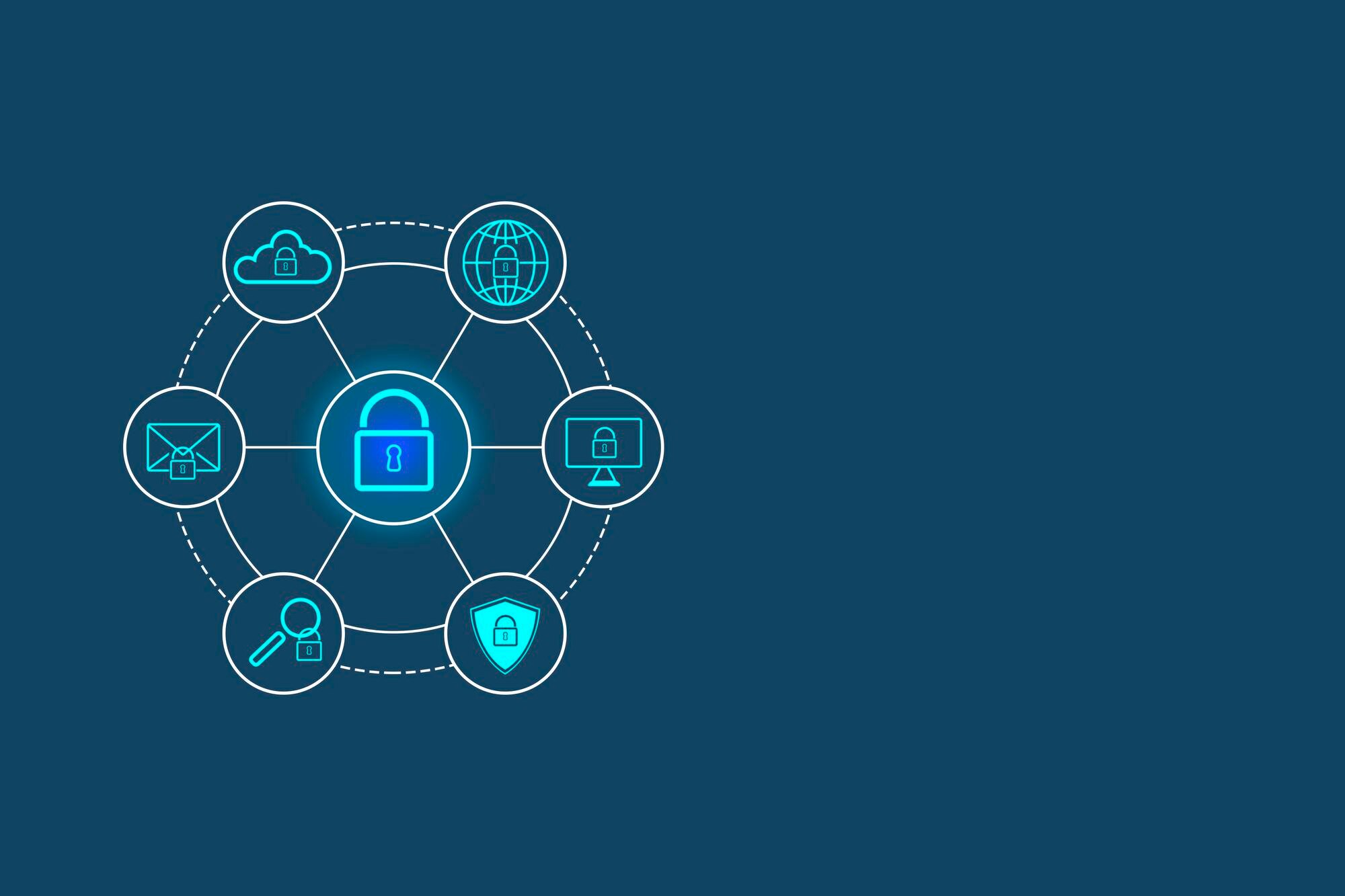
How AI Enhances GDPR ComplianceAI can transform the way you approach GDPR compliance. By automating routine tasks, AI reduces the risk of human error, ensuring that data handling is consistent and precise. For example, AI systems can automatically anonymise patient data, removing any identifiers that could compromise privacy. Moreover, AI can monitor data access and usage in real-time, alerting you to any potential breaches immediately. This proactive approach not only meets GDPR's stringent requirements but also saves valuable time. For more on AI's role in GDPR compliance, explore this comprehensive resource.
Meeting NHS Standards with AIAI doesn't just make GDPR compliance easier; it also helps align with NHS standards. By integrating AI into your clinical workflows, you can ensure consistent use of SNOMED CT codes, reducing errors in patient records. AI tools can also generate reports that simplify audit preparation, ensuring you're always ready for inspections. Additionally, AI enhances data quality by automatically identifying and correcting inconsistencies. This level of precision makes it easier to meet NHS expectations while maintaining focus on patient care.
Benefits of AI-Powered Clinic Solutions
Streamlining Clinical WorkflowsAI solutions simplify daily tasks in healthcare. From dictation to decision support, AI reduces the administrative burden significantly. Imagine freeing up hours previously spent on paperwork; that's the power of AI at work. By automating documentation, AI allows you to focus more on patient care. These tools also provide real-time clinical insights, helping you make informed decisions faster. For instance, Clinic Companion's AI assistant offers instant access to medical information, streamlining your workflow. This leads to fewer errors and a more efficient practice overall.
Ensuring Data Security and ComplianceSecurity is paramount when dealing with sensitive information. AI tools provide robust security features, keeping patient data safe from breaches. They constantly monitor data access, flagging any suspicious activity immediately. By ensuring compliance with both GDPR and NHS standards, AI reduces the risk of costly fines and reputational damage. With Clinic Companion, you get top-tier security features that protect your data seamlessly, giving you peace of mind.
For more on patient data protection, visit our detailed guide. 🌟